TEDxYYC - Covering The Spring
TEDx just posted the talk I gave in Calgary back in May on YouTube.
Below a few points to catch what I rambled on for nearly 20 minutes.
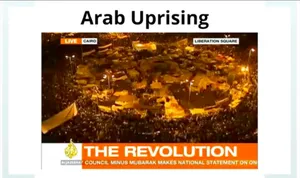
For a long time, news was basically a one-way street. We were the broadcasters, and we told you what was happening. But when the Arab Spring hit, that old model didn't just crack. It shattered. The real story wasn't coming from journalists in suits anymore. It was coming from people on the ground in places like Tunis, Cairo, and Benghazi using their mobile phones.At Al Jazeera, we had a big choice to make. We could try to keep reporting the narrative the traditional way, or we could become a platform for it. We chose to be a "node" (pun intended for those who know) in a massive, decentralized network of human experiences.
Within weeks of the protests starting, we launched Sharek (http://sharek.aljazeera.net), which was an open-source platform built on Drupal to handle everything coming in. Aside from the agile deployment of this platform, I’m most proud of our verification team. They were the ones culling through thousands of user submitted materials, and they were likely the first team to ever do that at such a huge scale.
One of the things that seemed to really click with the audience was when I talked about the Al Jazeera Creative Commons Repository. In the world of traditional media, giving away high-quality footage for free sounds like a crazy idea. But our stance was that when history is happening in real-time, that footage doesn't belong to a corporation. It belongs to the world. By putting it out there under Creative Commons, we gave activists and filmmakers the power to tell the story of the revolution in their own way. We aren't just covering the news at that point. We’re helping preserve the collective memory of a global movement.
At the end of the day, it's about the people, not the pixels. The most personal part of the talk for me was thinking about the bravery of everyone sending us those clips. Behind every grainy, shaky video we verified was a person risking their life just to say, "I am here, and this is what is happening". Technology and open-source tools are really just the plumbing. The "Spring" wasn't a technological revolution. It was a human one that finally found the tools it needed to be heard.
So, where do we go from here? The "Spring" isn't over just because the cameras have moved on to something else. Syria and Libya are still open stories that are being written as we speak. The way we engage with information has fundamentally changed, and we are all participants now.